Written by: Daniel Koren, Co-Founder, Frameology
Key takeaways
-
Tabletop frames work well when stand type, stability, glazing, and size match how you plan to use them.
-
Easel-back stands suit most flat surfaces, while pedestal designs save space and create a more architectural look.
-
Real glass glazing offers clear, scratch-resistant viewing for frames that stay put, while acrylic protects better from bumps and drops.
-
Custom sizing and easy photo-swapping turn frames into long-term home staples instead of single-photo purchases.
-
Frameology’s Classic Table and Metal Table frames combine custom sizing, real glass, stable stands, and fast U.S. shipping, so you can shop confidently at Frameology.
Easel-back vs. pedestal-stand frames
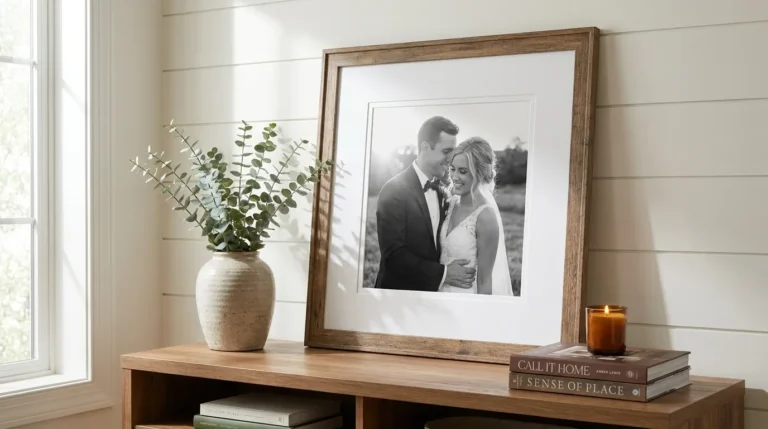
Tabletop frames rely on either an easel-back or a pedestal stand, and each style suits different surfaces and looks.
-
An easel-back frame has a hinged leg attached to the rear of the frame. The leg folds out at an angle and props the frame from behind. This is the most common stand type and it works well for standard photo sizes on flat, stable surfaces.
-
A pedestal-stand frame sits on a fixed base, such as a block, a weighted foot, or a channel. The base supports the frame from below instead of behind. Pedestal designs usually take up less depth on a shelf and create a more architectural, sculptural feel.
Both stand types appear across Frameology’s tabletop lineup. The Classic Table, Metal Table, Pearl, and Lexington Sterling all use easel-back designs that feel familiar and are easy to place on flat surfaces. The Hardwood Table, Metal Desk Print, Acrylic Desk Print, Retro Table, and Retro Table II use pedestal-style bases that take up less depth on a shelf and bring a more architectural feel to any surface.
Stability and weight distribution
Stable stands keep your photos upright and safe from everyday bumps. Manufacturers treat easel stand stability as a core quality-control requirement, right alongside corner construction, glass fit, and hardware integrity. A wobbly stand signals weak construction and poor long-term durability.
For easel-back frames, stability depends on the leg angle, frame weight, and how tightly the backboard fits. A snug backboard and well-joined corners help the frame sit squarely. Wider easel legs spread the weight and resist tipping on smooth surfaces. Pedestal stands lower the center of gravity, which can improve stability on uneven or textured surfaces such as woven placemats or stone shelves.
Frameology’s Classic Table is hand-framed in the USA with a fitted backboard and a reliable easel-back stand. The easel design and tight backboard work together to distribute weight evenly on flat desks and shelves. The Metal Table also uses an easel-back stand, with a fitted backboard and well-joined construction that keeps the frame steady on flat desks and shelves while maintaining the slim profile many minimalist workspaces prefer.
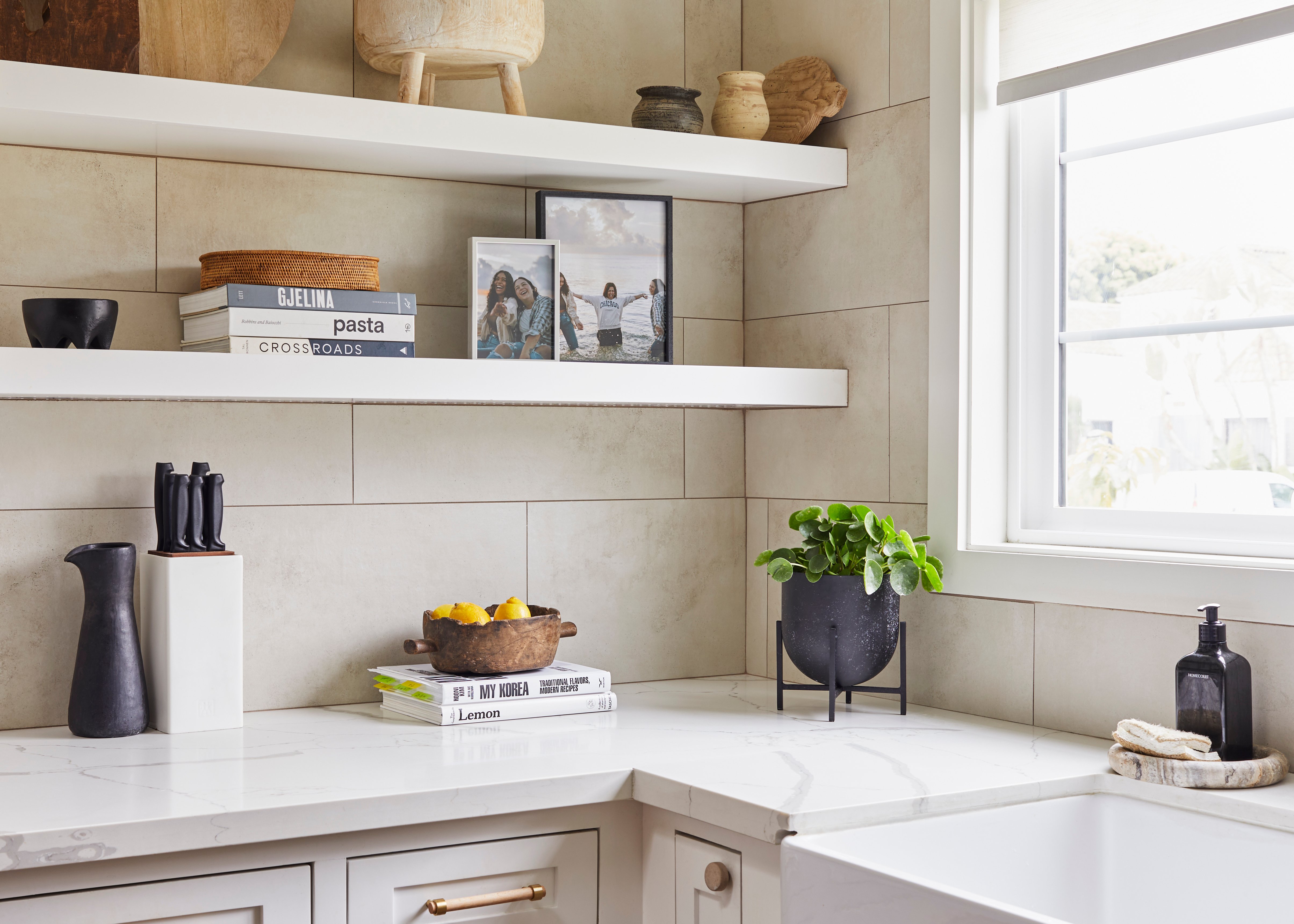
Pedestal-stand options like the Metal Desk Print ($25+) or Acrylic Desk Print ($45+) offer a lower center of gravity that adds extra steadiness.
Glazing and backing quality
The glazing, or clear cover over your photo, affects both how your image looks and how well it holds up over time. Acrylic is significantly more impact resistant than glass and does not shatter on impact, which makes it a smart choice for homes with kids or pets. Acrylic weighs less than glass, so it reduces breakage risk during handling. Glass can still work well for small tabletop frames that stay in one place. Many people like its traditional feel and its resistance to surface scratches.
This acrylic-versus-glass tradeoff shows up across the framing industry, not just in tabletop designs. Acrylic sheeting is now the norm for glazing framed artwork because it is lighter than glass and does not shatter or crack on impact. It can scratch more easily, though, and it needs a microfiber cloth and acrylic-safe cleaner instead of standard glass cleaner.
Frameology’s Classic Table ($39+) uses real glass glazing. That choice suits a tabletop frame that usually stays put and benefits from glass’s clarity and scratch resistance. The Metal Table ($49+) also uses real glass glazing, chosen to match its metal construction while providing clear viewing and strong scratch resistance. Both frames maintain the same U.S. hand-framing quality discussed earlier.
Size and proportion guidance
The right frame size keeps your photo readable without overwhelming your desk, shelf, or nightstand.
Common tabletop-friendly sizes include 4×6 inches for snapshots and multi-frame displays, 5×7 inches for portraits and school photos, and 8×10 inches as a versatile standard. For desks and office shelves, 5×7, 8×10, or 11×14 inch frames are typically recommended because they balance visibility with surface space.
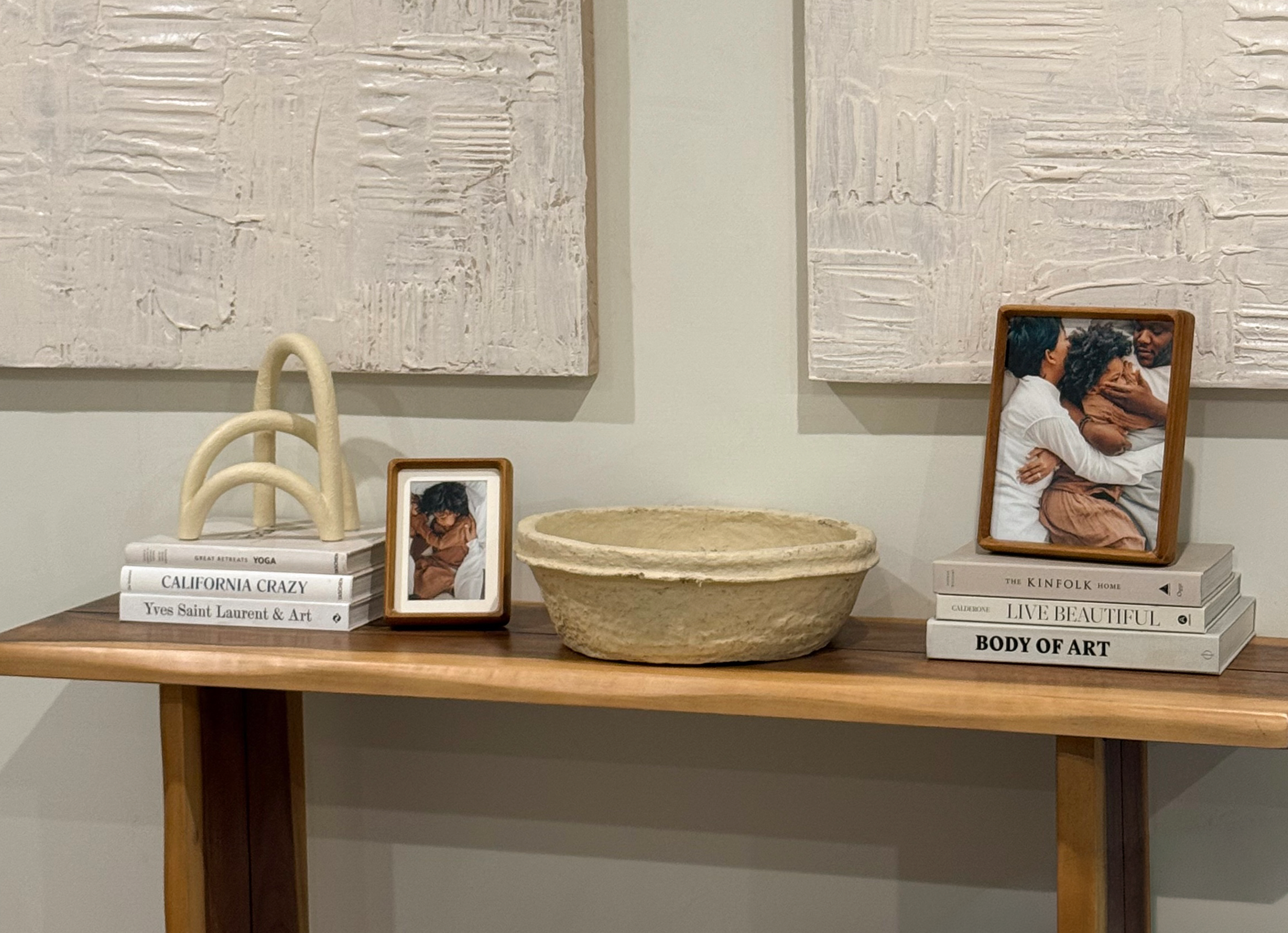
Seven-by-five inch frames are often suggested for desks and side tables. Photo frames are measured by their inside aperture, not the outer frame size, so you’ll want to allow extra room for the molding when planning shelf layouts.
2026 style trends for tabletop frames
Current tabletop frame trends follow the broader move toward warmer, more intentional interiors.
-
Thicker, sometimes matted frames are returning in 2026 after years of thin, delicate profiles. Elevated English cottage style and vintage-inspired details are driving this shift. Chunkier frames add visual depth and a sense of history, which fits the move toward tactile, layered rooms.
-
On the materials side, wood held about 43.78% of the picture frame material segment in 2025. At the same time, metal frames are projected to grow at a compound annual growth rate (CAGR) of 4.90% from 2026 to 2034 as more people choose clean lines and sleek finishes.
-
Warm minimalism in 2026 favors simple shapes softened by curves and texture. Cremèle neutrals, including creamy beiges and caramel tones, are replacing cooler greys and whites. These colors pair naturally with raw wood and warm metal finishes.
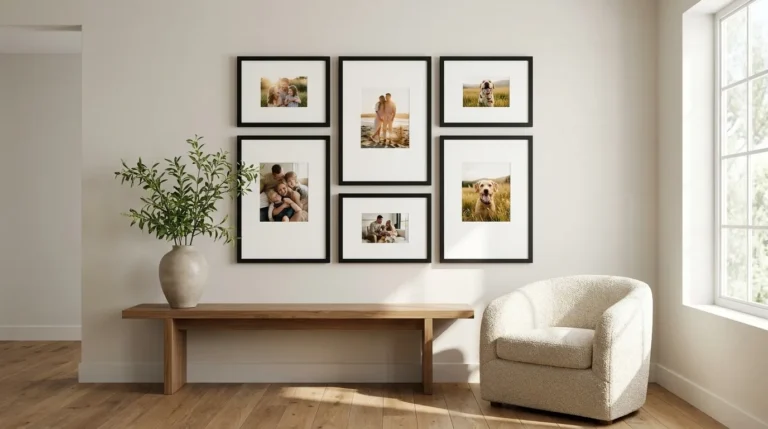
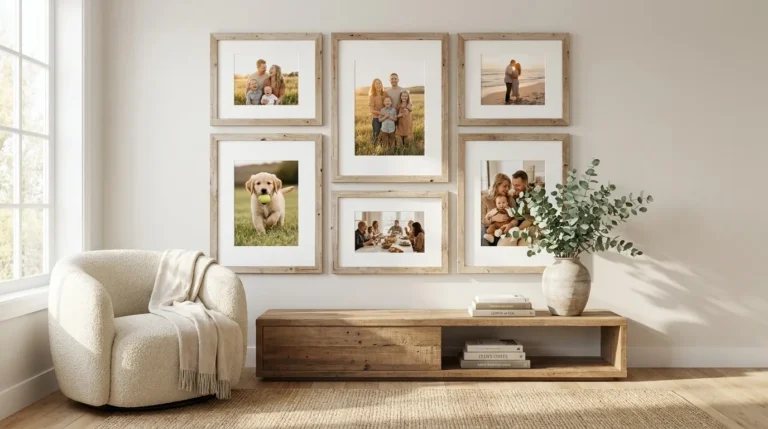
Frameology’s Classic Table fits warm minimalism with its clean profile and timeless finishes. The Metal Table aligns with the growing metal segment and delivers the sleek, contemporary look many 2026 interiors favor. Gallery walls in 2026 remain popular when they stay small, curated, and personal. A tabletop frame placed on the same shelf or mantel can anchor these displays by creating a focal point at eye level and visually tying the wall arrangement to the surface below.
Budget tiers for tabletop frames
Understanding what each price tier usually includes helps you choose frames that feel worth the money.
Entry-level mass-market frames cost less, but they often cut corners on glazing, stand durability, and backing quality. Thin plastic glazing, loose backboards, and flimsy stands can leave photos vulnerable and tip easily. Mid-range custom frames usually offer real glazing, fitted backboards, and stable stands without reaching the $400–$800+ price tags common at traditional frame shops.
Frameology’s tabletop frames start at $39. They’re custom-sized, hand-framed in the USA, and usually arrive within about a week. That price range gives you made-to-order construction, real glass, and a stable built-in stand at a still-accessible cost. If you’d like a deeper comparison with other online framing services, you can read Frameology’s full breakdown here.
Photo-swapping flexibility
Frames that make photo changes easy stay useful as your life and memories evolve.
The personal photos application segment is projected to grow at a CAGR of 5.65% through 2034. That growth reflects how strongly people feel about displaying family, travel, and celebration photos at home. When you care about those images, you want a frame that can keep up with new milestones instead of locking in a single print.
Frameology’s Classic Table includes a standard removable backing, so swapping photos stays quick and straightforward. You can refresh your display seasonally, update school pictures, or highlight a new trip without replacing the frame. The Metal Table, Retro Table, and Pearl also supports easy photo changes.
If you want frames you’ll actually update over time, explore Frameology’s full tabletop selection within the Framed Pictures Collection.
What picture frames are popular now?
In 2026, popular tabletop frames reflect a move toward curated, coordinated home decor. Platforms like Instagram and Pinterest are pushing demand for minimalist, themed, and color-coordinated photo displays. Wood still holds the largest material share, while metal is the fastest-growing segment. Thicker profiles, warm finishes, and frames sized for personal photography instead of generic art are all gaining traction.
Are mass-market frames good quality?
Mass-market frames vary widely. At lower prices, stand stability, glazing thickness, and backing construction often suffer first. Frames that tip easily, use thin plastic glazing, or rely on loose backboards won’t protect your photos or tolerate frequent handling. Home decor in 2026 leans toward durable, long-lasting pieces instead of disposable items, and that mindset carries over to frame choices. Custom tabletop options from Frameology offer stronger construction at still-accessible prices, without the long waits that usually come with custom framing.
Why choose Frameology’s tabletop frames
Frameology’s tabletop frames are built to cover the key criteria in this guide in one purchase.
All tabletop frames listed below are custom-sized to your photo, hand-framed in the USA, and built with stable stands for everyday use. Each frame in this list typically arrives within a week, which is faster than most made-to-order alternatives.
-
Classic Table, starting at $39
-
Metal Table, starting at $49
-
Hardwood Table, starting at $49
-
Retro Table, starting at $55
-
Pearl, starting at $119
-
Lexington Sterling, starting at $239
Frameology’s mobile-only augmented reality (AR) preview tool lets you project a true-to-scale version of your frame onto your wall using your phone’s camera, so you can see the size and finish in your space before you buy.
With more than 7,300 verified 5-star reviews and a 4.98/5 overall rating, Frameology combines 30+ years of family framing experience with a streamlined online process. Frameology frames include built-in hanging brackets and stands for easy display. The Classic line’s removable backing keeps each frame useful as your photo collection grows.
Frequently asked questions
What’s the difference between an easel-back and a pedestal-stand tabletop frame?
An easel-back frame uses a hinged leg on the back that folds out and props the frame at an angle. This common stand style works well on flat desks, consoles, and shelves. Frameology’s Classic Table, Metal Table, Pearl, and Lexington Sterling all use easel-back stands.
A pedestal-stand frame sits on a fixed base, such as a block, weighted foot, or channel, that supports the frame from below. Pedestal designs usually have a smaller footprint and a more architectural look, which suits mantels and styled shelves. Frameology’s Hardwood Table, Metal Desk Print, Acrylic Desk Print, Retro Table, and Retro Table II all use pedestal-style bases.
What size tabletop frame works best for a desk or shelf?
For desks and office shelves, 5×7 and 8×10 inch frames usually strike the best balance. They’re large enough to read clearly without crowding a small surface. For mantels and wider shelves, 8×10 or 11×14 inch frames create a stronger focal point. Remember that frames are measured by their inside aperture, not the outer dimensions, so allow extra space for the molding.
Can I swap photos in a Frameology tabletop frame?
Yes. Frameology’s Classic Table, Metal Table, Retro Table, and Pearl frames include a removable backing, so you can change photos whenever you like. That feature works well if you refresh decor seasonally or update family photos often.This flexibility is a key advantage over sealed frames with permanent backings.
How does Frameology’s AR preview work for tabletop frames?
Frameology’s augmented reality (AR) preview tool works on mobile devices. Open the Frameology website on your phone, customize your frame, and tap the AR icon. Your phone’s camera will project a true-to-scale preview of your frame onto your wall so you can see how the size and finish look in your room before you commit. You won’t need to download an app or create an account. This tool helps anyone who has ever ordered a frame online and wondered whether it would actually suit their space.
How quickly do Frameology’s tabletop frames ship?
All the tabletop frames in Frameology’s Quick Ship Collection typically ship the next business day and arrive within a week. This includes Classic Table, Metal Table, Hardwood Table, Retro Table, Retro Table II, Lexington Sterling, and Pearl frames. That timeline is significantly faster than many made-to-order framing services, which often take two to three weeks.