Written by: Daniel Koren, Co-Founder, Frameology | Last updated: April 15, 2026
Key takeaways
-
Hang picture frames at 57-60 inches from the floor center for eye-level viewing that follows museum standards.
-
Match hardware to frame weight and wall type, using anchors for drywall and studs for heavy pieces over 50 pounds.
-
Follow a clear process: mark spots, install hardware, hang, level, and adjust for straight, professional results.
-
Renters can use damage-free Command strips with lightweight Classic frames, while Luxe frames include premium dual-point hanging systems.
-
Frameology provides templates, mini-levels, AR previews, and custom gallery walls for effortless, gallery-worthy installations, so start framing your memories today.
Tools and frame types to know before you start
Gather your tools and understand your frame type before you make a single wall mark. You will need a measuring tape, pencil, level, and hardware that matches your wall and frame weight. Most picture frames use either a sawtooth hanger with a single center point or D-rings with dual mounting points for heavier pieces.
To see how this works in real life, Frameology’s Classic frames use a single center hanger and removable backing. This design keeps them lightweight and ideal for Command strips in rental homes. Luxe frames use a premium no-wire dual hanging system with included hardware, such as nails, a mini-level, and hangers, all in the box. The AR preview tool on mobile lets you see how your frame will look on the wall before you commit.
How to hang picture frames step-by-step
Use these seven steps to hang picture frames neatly and consistently every time:
1. Choose your spot: Position the center of your frame at 57 to 60 inches from the floor for comfortable eye-level viewing. This museum standard works for most rooms and typical viewer heights.
2. Mark the wire drop: Hold your frame against the wall at the chosen height. Pull the hanging wire tight and mark where it reaches on the back of the frame. Measure that distance down from your wall mark to find the hardware location.
3. Select proper hardware: Match your hanging hardware to the frame’s weight and your wall type. Lightweight frames under 10 pounds work with simple picture hanging hooks. Heavier pieces need wall anchors or stud mounting for reliable support.
4. Install the hardware: Hammer your nail or screw into the marked spot. For drywall without studs, use plastic anchors for frames up to 20 pounds, or metal toggle bolts for 20-50 pound pieces. This approach spreads the load and protects the wall.
5. Hang and level: Place your frame on the hardware, then use a level to confirm it sits straight. Frameology’s Luxe frames include a mini-level and a dual-point hanging system that keeps frames from tilting over time.
6. Make adjustments: Step back and check the placement from a normal viewing distance. Small tweaks are normal, so slide the frame slightly left or right until it looks centered and visually balanced with nearby furniture or decor.
7. Secure if needed: For frames that tend to shift, first check your hanging wire tension, since loose wire allows the frame to move. If the wire feels properly tight but the frame still slides when bumped, add small rubber bumpers to the bottom corners to grip the wall.
Picture hanging hacks that save time and extra holes
Simple tricks can prevent guesswork and extra nail holes. Professional framers often use painter’s tape to mark frame corners before measuring, which keeps placement consistent. Frameology simplifies this process even further by providing gallery wall templates. Classic gallery walls include life-size gallery wall templates that show exact nail placement, so you avoid trial and error. The mini-level included with Luxe frames keeps each frame aligned as you hang it. The AR preview feature lets you preview different layouts on your phone before you order your favorite one.
Common picture hanging mistakes to avoid
Hanging frames too high is the most common mistake and often makes artwork feel disconnected from the room. This height error also creates uncomfortable viewing angles that distract from the image. Many people also skip using a level, which leads to crooked displays that diminish even the most beautiful pieces.
Using hardware that is too weak for the frame weight creates another major problem, since it can cause fallen pictures and wall damage. Frames over 25 pounds require wall anchors, studs, or heavy-duty mounting systems instead of basic hooks. Frameology’s Luxe line addresses this by including weight-appropriate hardware with every frame. Classic frames stay light enough for standard hooks or Command strips when used correctly.
Renter friendly picture hanging options
Renters can display wall art without risking deposits by using damage-free hanging methods. Command™ Large Picture Hanging Strips hold up to 15 pounds using four pairs (8 strips) and remove cleanly when pulled straight down, which makes them ideal for lightweight frames on painted walls.
Command strips pair especially well with Frameology’s Classic frames, which have removable backings and light construction. Do not use Command strips on Luxe frames, since the permanent paper backing can tear when you remove the strips. Renters who want the premium look of Luxe frames can use picture ledges or lean larger pieces against walls on furniture for a no-hole solution.
How to hang heavy picture frames safely
Heavy artwork needs careful mounting to prevent accidents and wall damage. For frames over 50 pounds that require stud mounting, the challenge goes beyond choosing strong hardware. You also need the frame to stay level when you use more than one mounting point.
Frameology’s Luxe frames address this heavy-hanging challenge with a dual-point mounting system that spreads weight across two hangers. This design removes the single-point stress that often leads to sagging over time. It also keeps frames level for the long term. The included heavy-duty hardware is matched to each frame’s specifications, so you do not have to guess about weight ratings.
Gallery wall spacing and layout rules
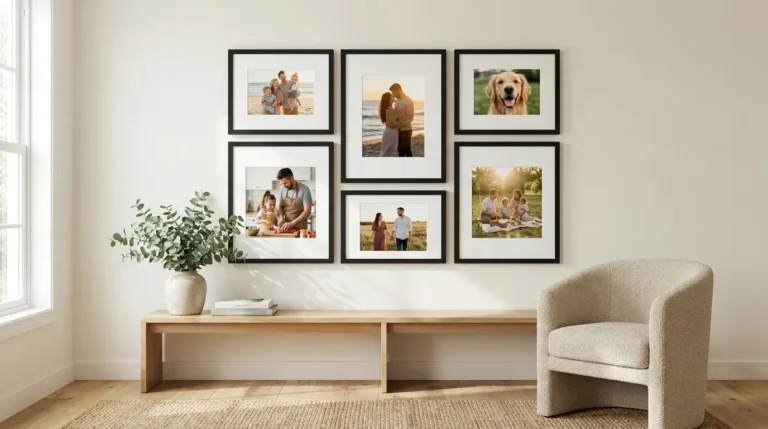
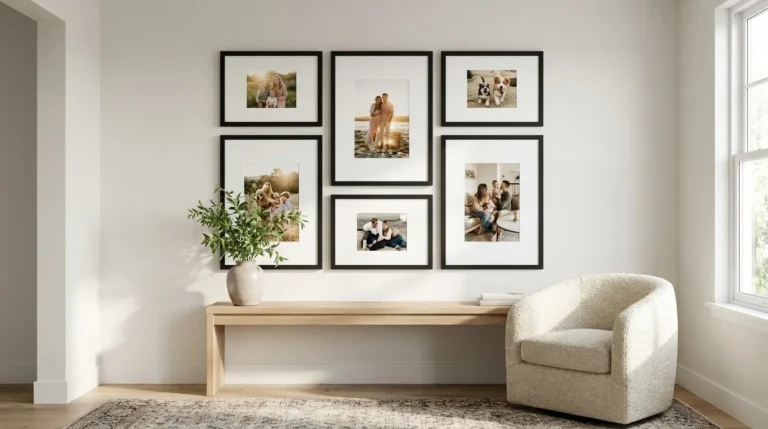
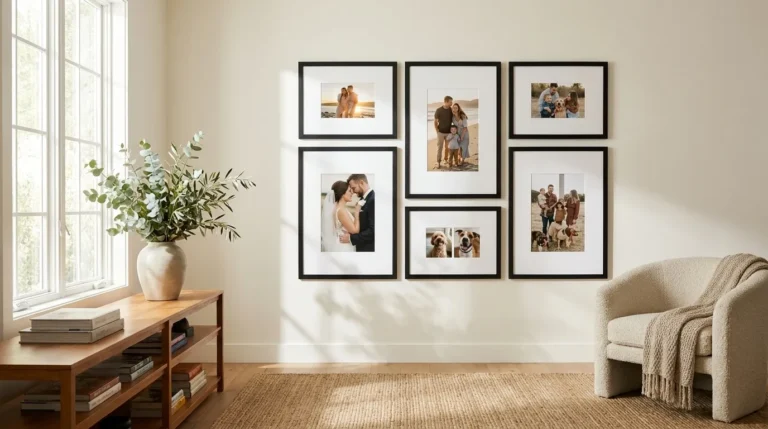
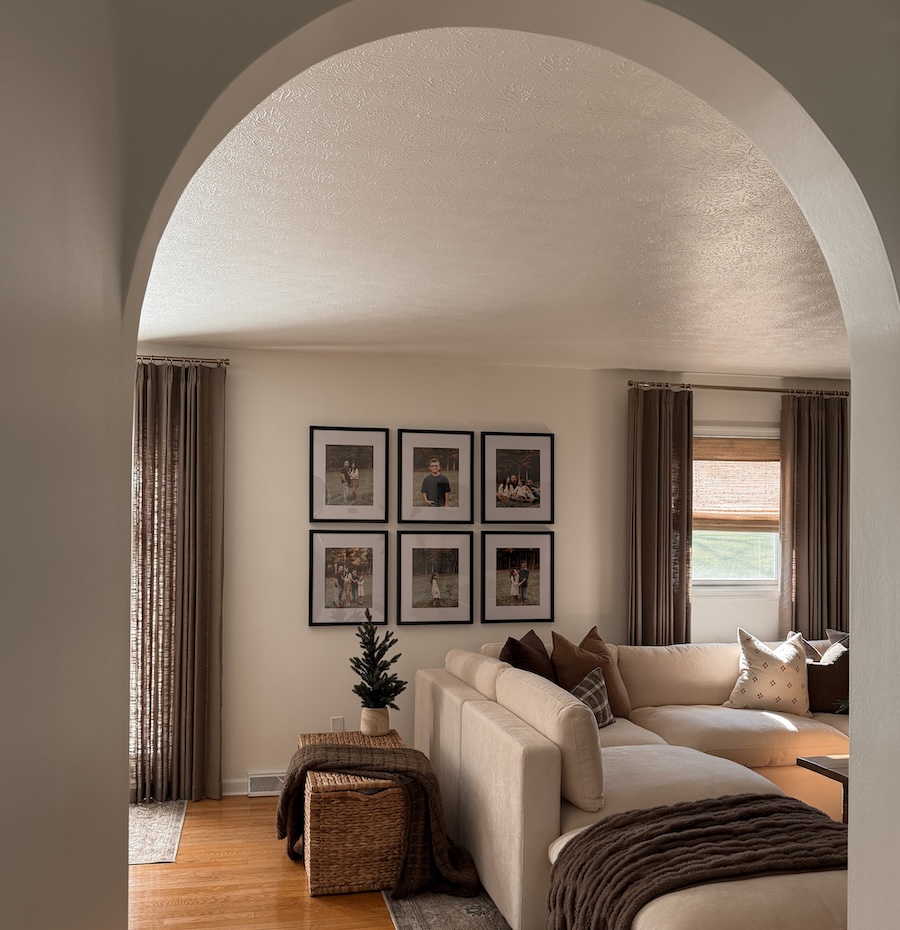
Gallery walls have exploded in popularity, as seen in Frameology’s viral installations, but many attempts fail because people underestimate spacing. The key to a polished gallery wall lies in consistent spacing and clean alignment. Keep frames 2-3 inches apart for visual balance, and treat the entire arrangement as one unified piece of art.
Frameology changed gallery wall installation with custom gallery wall templates included in every Classic and Luxe gallery wall. You simply tape the template to your wall, hammer the included hardware into the marked spots, remove the template, and hang your frames. This process gives you a precise layout with no extra holes.
Luxe gallery walls offer museum-quality frames that use the same template system, and installation takes slightly longer because of the dual-point hanging system that ensures perfect leveling. Both Classic and Luxe gallery walls remove the measuring, spacing, and alignment headaches that keep many gallery walls stuck as inspiration instead of reality. Transform your space with Frameology’s gallery wall solutions and enjoy professional-quality installations, even if you are new to DIY projects.
Frequently asked questions
What is the rule for hanging picture frames?
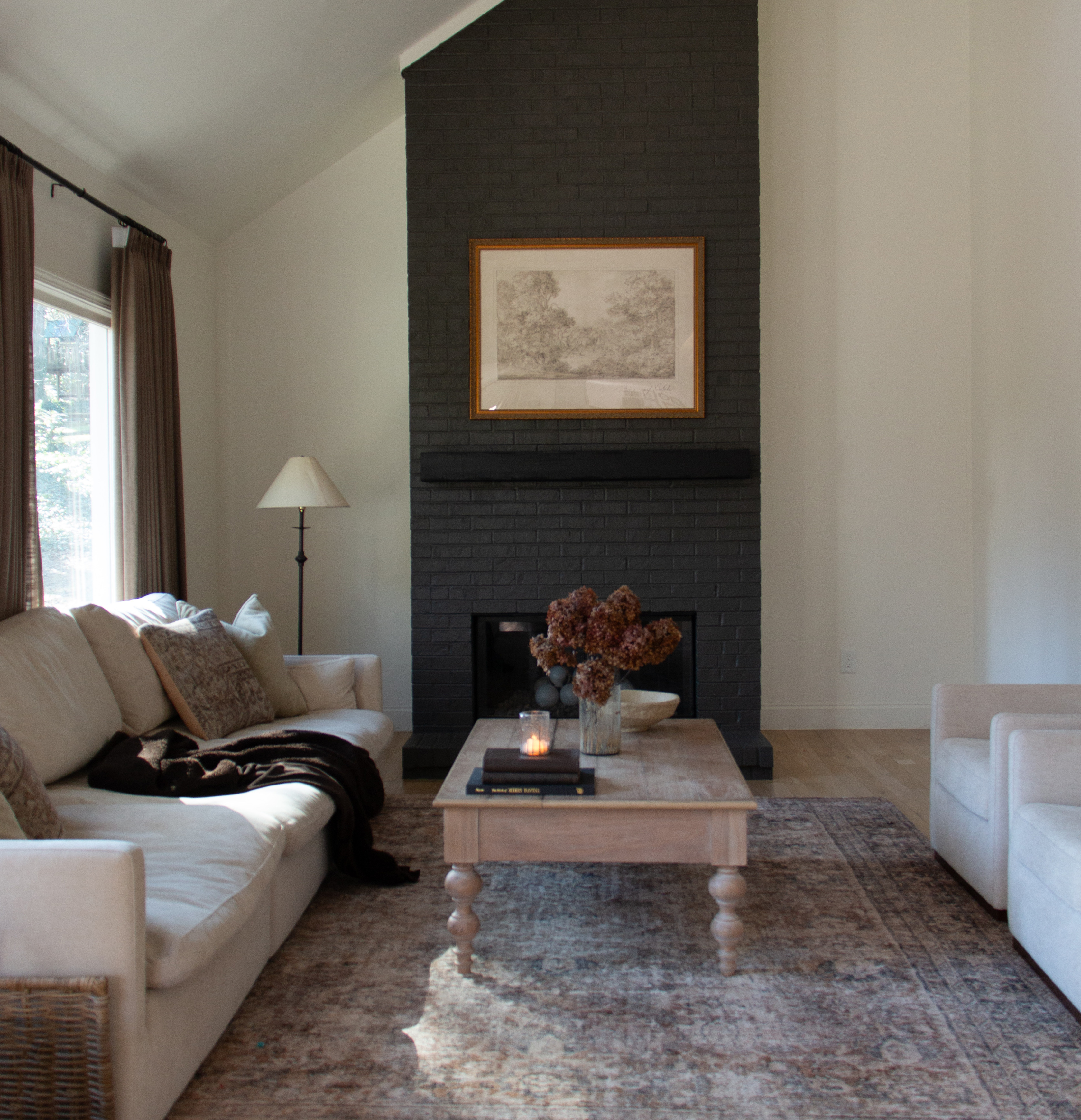
The universal rule follows the 57-60 inch center height established in step 1, which aligns with average eye level and museum standards. This guideline works for most rooms and most viewers. When you hang artwork above furniture, keep 6-8 inches between the furniture top and the bottom of the frame to create a visual connection while staying near eye level.
Do picture frames need to be hung on studs?
Stud mounting depends on frame weight and wall type. Lightweight frames under 20 pounds usually hang safely on drywall with appropriate anchors or hooks. Frames that weigh 20-50 pounds benefit from wall anchors or toggle bolts that spread the load. Pieces over 50 pounds should be secured into studs for maximum safety and long-term stability.
How do you hang pictures on plaster walls?
Plaster walls need gentle handling to avoid cracks. Use small finishing nails for lightweight frames and tap them in slowly instead of striking hard. For heavier artwork, drill pilot holes and use toggle bolts that grip behind the lath. Avoid adhesive strips on textured plaster, since they may not bond well. Test your method in a hidden area first to confirm the wall can handle it.
How long does it take to receive custom frames?
Delivery time depends on frame type and customization level. Frameology’s Classic frames ship quickly, which makes them a smart choice for tight deadlines. Luxe frames take several business days because of their artisan construction and premium materials. Gallery walls follow similar patterns, with Classic options arriving faster than Luxe sets. Rush delivery may be available for urgent projects.
What’s the difference between Classic and Luxe hanging systems?
Classic frames use a single center hanger with removable backing, which keeps them lightweight and compatible with Command strips in many rental situations. Luxe frames feature a premium no-wire dual hanging system with two side-mounted hangers that improve leveling and stability. Unlike Classic frames, Luxe frames have permanent backing that makes Command strips unsuitable, as noted in the prerequisites section. Luxe frames include a complete hardware kit mentioned earlier, so you do not need to buy extra supplies. The dual-point Luxe system reduces tilting and improves weight distribution for long-term support.
Conclusion
Learning how to hang picture frames turns a plain room into a personal space filled with meaningful moments. Whether you hang a single statement piece or build a full gallery wall, the right tools and steps remove frustration and deliver professional results.
Start framing your favorite memories at Frameology, where 30+ years of family framing experience meets modern innovation. With hand-framed quality, AR preview technology, and simple installation tools, your photos finally receive the display they deserve.